
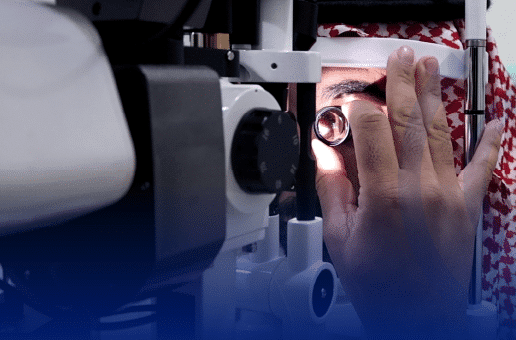
Retina and Vitreous Unit
The retina is a delicate neural tissue lining the inner back surface of the eye. It is composed of specialized light-sensitive cells known as cones and rods, which convert light into electrical signals and transmit them to the visual center of the brain through the optic nerve and its pathways.
The retina is highly sensitive and vulnerable to a variety of conditions, including diabetic retinopathy, retinal detachment, age-related macular degeneration, and retinitis. These disorders can lead to severe vision loss or blindness if they are not detected and treated promptly using the most appropriate medical approach.
Retinal diseases may result from inherited genetic disorders, eye-related conditions, or systemic health problems, most notably diabetes mellitus. Studies have shown that individuals with diabetes are up to 25 times more likely to develop blindness than non-diabetic individuals. Diabetes is responsible for approximately 5 million cases of blindness worldwide, accounting for nearly 5% of all blindness cases globally. It is also considered the leading cause of vision loss among adults between the ages of 30 and 60.
Early detection and timely treatment can prevent blindness in up to 95% of patients with diabetic retinopathy. For this reason, we emphasize regular retinal examinations for all patients with diabetes.
Retinopathy of Prematurity (ROP), a retinal condition affecting premature infants, remains one of the leading causes of bilateral childhood blindness. This condition can often be prevented through timely retinal screening of premature babies in neonatal intensive care units, usually around six weeks after birth, followed by appropriate treatment when necessary.
Consultants Eye Center… Early Detection, Appropriate Treatment.